
Last Updated: October 23, 2026
Quick Summary
A charity motorcycle ride combines scenic route planning with fundraising activities to support nonprofit organizations while building community among riders. The best charity motorcycle rides balance a compelling cause, a well-planned route, and clear fundraising mechanics to maximize both participation and donations.
- Create tiered route options of 50-75 miles for beginners, 100-125 miles for intermediate, and 150+ miles for advanced riders.
- Set registration fees between $25-$50 per rider to cover event costs while remaining accessible to participants.
- Plan rest stops every 60-90 minutes of riding with restrooms, water, snacks, and shade or shelter.
- Recruit core volunteers including ride marshals, sweep riders, rest stop coordinators, and registration staff 4-6 weeks before the event.
- Apply for permits and liability insurance 4-6 weeks in advance and send thank-you messages within 48 hours after the event.
Table of Contents
- Why Charity Motorcycle Rides Build Community and Support Causes
- Motorcycle Charity Ride Planning: Setting Goals and Choosing Your Cause
- Charity Ride Route Planning: Selecting Scenic Roads and Distance
- Motorcycle Fundraising Ideas: Activities That Drive Donations
- Motorcycle Ride Safety Checklist: Permits, Insurance, and Risk Management
- Recruiting Volunteers and Managing Event Logistics
- Promotion, Registration, and Participant Engagement
- Post-Event: Thank-You Messages and Measuring Impact
- Frequently Asked Questions
Why Charity Motorcycle Rides Build Community and Support Causes
A charity motorcycle ride combines two powerful forces: the open road and the generosity of riders who care about causes larger than themselves. When riders gather for a shared purpose, something meaningful happens. Friendships deepen.
This is where Spirit of Indian comes in. Our events bring together riders who share a passion for Indian Motorcycles and a commitment to giving back.
The best charity motorcycle rides balance three elements: a compelling cause, a well-planned route, and clear fundraising mechanics. When all three align, riders show up with enthusiasm, sponsors step forward, and nonprofits receive meaningful support. This guide walks you through each step, from selecting your cause to measuring the impact after the final rider crosses the finish line.
Motorcycle Charity Ride Planning: Setting Goals and Choosing Your Cause
Before you map a single mile or recruit a single volunteer, get clear on two things: how much money you want to raise, and which cause you’re supporting. These decisions shape everything that follows.
Define Your Fundraising Goal
Start with a realistic target. Ask yourself: Are we raising $5,000 for a local food bank? $25,000 for a youth mentorship program? $50,000 for a regional children’s hospital?
Your goal determines your scope. A small local cause might need 50 riders. A larger target might require 200+ participants, corporate sponsorships, and multiple fundraising activities running simultaneously during the event.
Work backward from your goal:
- Divide the total by the number of riders you expect
- Calculate how much each rider needs to raise (or contribute)
- Decide what portion comes from registration fees, pledges, and on-event activities
Be transparent about your goal. Riders and sponsors want to know what they’re working toward.
Select a Charitable Cause That Resonates
The strongest charity motorcycle rides support causes that align with your rider community’s values. Indian Motorcycle owners often care deeply about veterans, youth programs, community health, and local nonprofit work.
Consider these factors:
- Connection to your community: Does the organization serve people in your area?
- Rider alignment: Will your participants feel excited about this mission?
- Organization credibility: Is the nonprofit well-established and transparent about how funds are used?
A strong partnership with your chosen charity makes the entire event easier to execute. They bring credibility, help with promotion, and often provide volunteers on event day. When riders see that a real organization is behind the effort, participation increases.
Charity Ride Route Planning: Selecting Scenic Roads and Distance
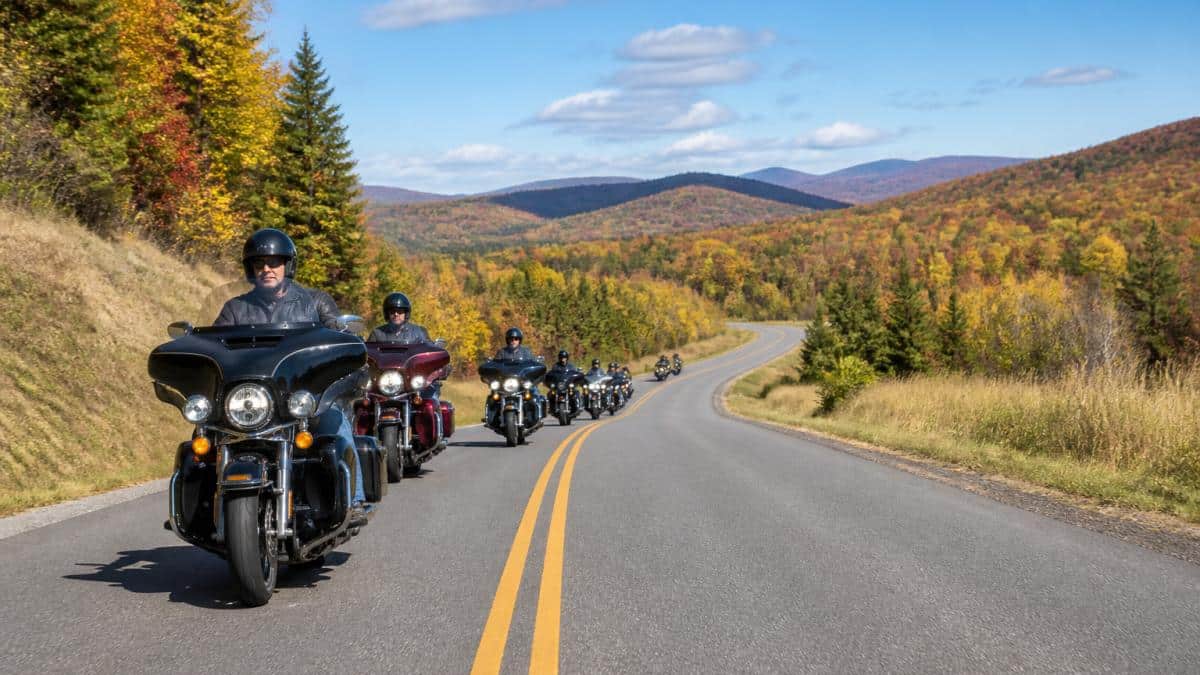
The route is the backbone of your event. A well-chosen route keeps riders engaged, creates memorable experiences, and gives participants a reason to return year after year.
Evaluate Route Difficulty and Participant Ability
Not all riders are equal. Your event will attract experienced long-distance riders alongside riders who take shorter weekend trips.
Create tiered route options when possible:
- Beginner route: 50-75 miles, mostly highway, minimal elevation change, few sharp turns
- Intermediate route: 100-125 miles, mix of highway and scenic byways, moderate elevation, some technical sections
- Advanced route: 150+ miles, challenging terrain, elevation gain, technical curves
This approach lets riders self-select based on their comfort level. Everyone finishes the day satisfied rather than some riders feeling overwhelmed and others bored.
Consider your participant mix. If you’re drawing from a community event like Spirit of Indian’s week-long rally, you’ll have riders of all skill levels.
Scout Road Conditions and Identify Rest Stops
Before you finalize your route, ride it yourself during similar weather and daylight conditions. Check for:
- Potholes, rough pavement, or construction zones
- Tight curves or blind hills that could surprise riders
- Fuel availability along the route
Plan rest stops every 60-90 minutes of riding. Each stop should have:
- Clean restroom facilities
- Water and light snacks
- Shade or shelter from weather
Scout your rest stop locations in advance. Call ahead to confirm they can handle a group. Some businesses welcome the customer traffic; others prefer advance notice. Establish a relationship with each location so staff know what to expect.
Motorcycle Fundraising Ideas: Activities That Drive Donations
Registration fees and pledges form the foundation of your fundraising. But the most successful charity motorcycle rides layer in additional activities that keep participants engaged and give supporters multiple ways to contribute.
Registration Fees and Sponsored Ride Pledges
Set a registration fee that covers your event costs while remaining accessible.
Beyond registration, offer a pledge option. Riders solicit pledges from friends, family, and colleagues, either a flat amount per rider or a per-mile donation.
Make pledge collection simple. Provide:
- A one-page pledge sheet riders can print and share
- A digital pledge link for online donors
- Clear instructions on how to submit pledges before or after the ride
Collect pledges before the event when possible. This gives riders time to follow up with supporters and ensures funds arrive while enthusiasm is high.
On-Event Activities: Auctions, Raffles, and Food
The day of your event, create activities that generate additional revenue while keeping the atmosphere festive. Common approaches include:
- Raffle: Solicit donated items from local businesses (gift certificates, motorcycle gear, hotel stays). Sell raffle tickets at $5-$10 each. Draw winners at the end-of-ride celebration.
- Silent auction: Display donated items and let riders bid during rest stops or at the finish line. Auction items work best when they appeal to your rider demographic, motorcycle accessories, weekend getaways, adventure experiences.
- Food sales: Partner with a local caterer or food vendor to sell lunch or snacks at the finish line. Riders are hungry after riding and willing to spend money on quality food.
Each activity requires volunteer coordination and advance planning. Assign a single person to oversee each activity so nothing falls through the cracks.
Motorcycle Ride Safety Checklist: Permits, Insurance, and Risk Management
Safety isn’t optional. A well-organized charity ride minimizes risk through permits, insurance, clear communication, and contingency planning. This protects your riders, your volunteers, and your organization’s reputation.
Obtain Permits and Liability Insurance
Contact your local or county government to determine what permits you need. Requirements vary by location and event size. Common requirements include:
- Road closure or traffic control permit: Required if your route blocks traffic or uses multiple lanes
- Special event permit: Many jurisdictions require a general permit for organized gatherings
- Parking permit: Needed if you’re using public parking for start/finish locations
Apply for permits 4-6 weeks before your event. Processing times vary, and you don’t want to scramble at the last minute.
Obtain liability insurance that covers your event. Most nonprofits carry general liability insurance, but confirm that it covers organized rides. If not, purchase a special event insurance policy.
Create a Pre-Ride Safety Briefing and Contingency Plan
Hold a safety briefing 15-30 minutes before the ride begins. Cover:
- Route overview and turn-by-turn directions
- Hand signals for communicating with other riders
- What to do if you get separated from the group
Distribute printed route cards to every rider. Include your phone number and the phone numbers of ride marshals stationed at key points.
Develop contingency plans for common scenarios:
- Bad weather: Decide in advance whether you’ll delay the start, shorten the route, or cancel entirely. Communicate this decision clearly and have a rain date ready.
- Mechanical breakdown: Station support vehicles at key points. Arrange for a tow service to pick up riders whose bikes won’t restart.
- Rider injury: Brief all volunteers on basic first aid. Know the location of the nearest hospital. Have a plan for contacting emergency services if needed.
The best contingency plan is one you never need to use. But having one in place gives riders confidence and keeps your event running smoothly when unexpected situations arise.
Recruiting Volunteers and Managing Event Logistics
A successful charity motorcycle ride requires a team. You can’t manage everything alone. Recruit volunteers early and give each person a clear role.
Core volunteer positions include:
- Ride marshal: Leads the group, sets pace, makes routing decisions
- Sweep rider: Follows behind to ensure no rider is left behind
- Rest stop coordinator: Manages each rest stop, ensures supplies are stocked, greets riders
Recruit volunteers 4-6 weeks before your event. Give them a volunteer job description and a schedule. Most volunteers will commit 4-6 hours for a single day event.
Create a volunteer WhatsApp or text group for real-time communication on event day. Test your communication system before the ride begins.
Promotion, Registration, and Participant Engagement
Getting the word out determines your turnout. Start promoting your event 6-8 weeks in advance.
Use multiple channels:
- Email: Send to your existing rider community and past event participants
- Social media: Post regularly on Facebook and Instagram. Share behind-the-scenes photos, rider testimonials, and countdown posts
- Local media: Contact local newspapers and radio stations. Many will cover a community charity event for free
Make registration simple. Use an online form that captures:
- Rider name and contact information
- Motorcycle type (helpful for grouping riders)
- Route preference (if offering multiple options)
Send confirmation emails immediately after registration. Include the route details, start time, what to bring, and parking information.
Two weeks before the event, send a reminder email with weather forecast, final logistics, and a request for pledges if using pledge-based fundraising.
Post-Event: Thank-You Messages and Measuring Impact
The event is over. Now comes the work that determines whether riders will return next year: thank-yous and impact reporting.
Send thank-you emails within 48 hours to:
- Every participant
- Every volunteer
- Every sponsor
Personalize these messages when possible. Reference something specific about their participation.
Calculate and share your results:
- Total funds raised
- Number of participants
- Number of volunteers
Share these results on social media and in a follow-up email. Show riders that their effort created measurable change.
Gather feedback through a brief survey. Ask:
- Did you enjoy the route?
- Would you participate again?
- What could we improve?
This feedback shapes your next event and shows participants that you value their input.
A charity motorcycle ride succeeds when it brings riders together around a cause they believe in, on a route they’ll remember, with fundraising that generates real support for the nonprofit. Spirit of Indian is a dedicated motorcycle rally event designed to celebrate the legacy and community of Indian Motorcycle enthusiasts.
Frequently Asked Questions
How do you plan a motorcycle charity ride?
Start by choosing a charitable cause and setting a realistic fundraising goal. Next, select a scenic route appropriate for your participants’ skill levels, scout road conditions, and identify rest stops. Arrange permits and liability insurance, recruit volunteers for support roles, and create a detailed safety briefing. Promote the event through local motorcycle communities, set up online registration, and plan on-event fundraising activities like raffles or auctions. Finally, send thank-you messages to participants and donors after the ride concludes.
How do you choose a scenic route for a charity ride?
Evaluate routes based on distance, road conditions, and participant ability levels. Scenic routes with minimal traffic, well-maintained pavement, and interesting landmarks work best. Scout the route in advance to identify safe rest stops, fuel stations, and potential hazards. Consider weather patterns typical for your event date and plan alternate routes in case of road closures. A 50-100 mile ride works well for most mixed-ability groups; shorter routes welcome newer riders and families.
What activities can families enjoy at a motorcycle charity event?
Charity motorcycle events can include family-friendly activities beyond the ride itself: charity duck races, silent auctions, raffle drawings, food festivals, live entertainment, and custom motorcycle shows. Kids-friendly activities like face painting, games, or a ‘best in show’ contest for decorated bikes keep families engaged. On-site lodging options like cabins or tiny homes make multi-day events comfortable for families. Non-riding family members can volunteer at registration, food stations, or auction tables, creating inclusive participation opportunities.
What should a charity ride route plan include?
A comprehensive route plan includes turn-by-turn directions with mile markers, rest stop locations with amenities, identified fuel stations, emergency contact procedures, and contingency routes for road closures or weather delays. Mark any challenging road sections, steep grades, or tight curves so riders can prepare. Include start and finish times, recommended rider spacing, and communication protocols (radio channels or group messaging apps). Specify where support vehicles will position and how to handle mechanical breakdowns or medical emergencies during the ride.


0 Comments