

Table of Contents
- What Are Motorcycle Charity Events?
- Types of Motorcycle Charity Events
- Planning and Organizing Motorcycle Charity Ride Events
- Fundraising Ideas for Motorcycle Rally Events
- Motorcycle Event Safety Guidelines
- Finding Motorcycle Charity Events Near You
- The Community Impact of Motorcycle Charity Events
- Frequently Asked Questions
Last Updated: October 4, 2026
What Are Motorcycle Charity Events?
Motorcycle charity events are organized group rides and fundraising activities where riders gather to support charitable causes, combining passion for riding with community service.
Over 2 million riders attend motorcycle rallies annually Harley-Davidson’s 2026 event resources, and a significant portion of these gatherings focus on fundraising. What sets motorcycle charity events apart is their dual purpose: they deliver genuine funds to worthy causes while strengthening the bonds within the riding community.
These events adapt to different goals: some raise money through registration fees, others through raffles, merchandise sales, and vendor participation. The common thread is riders showing up to participate and give back.
The most successful motorcycle charity events combine easy participation with clear cause messaging. Riders want to know exactly where their money goes and why it matters.
Types of Motorcycle Charity Events
Motorcycle charity events take many forms, each suited to different causes, communities, and rider preferences. Understanding the main categories helps you choose which events to join or organize.
Charity Rides and Road Rides
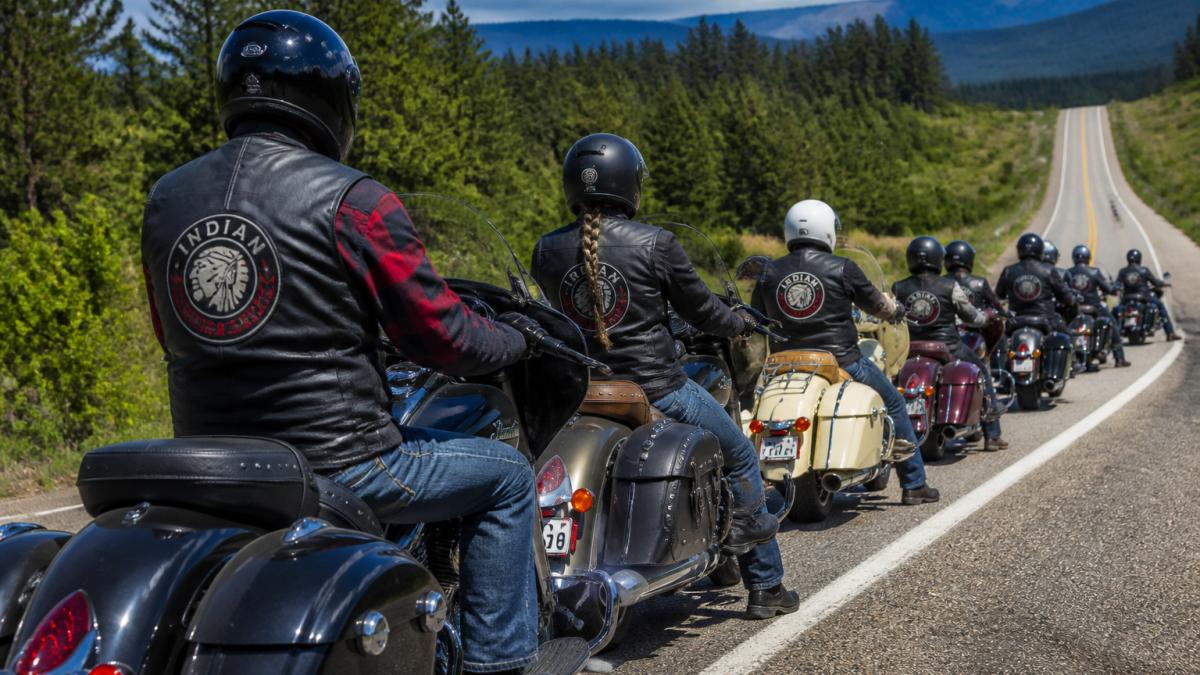
Charity rides are straightforward: riders pay a registration fee and follow a planned route, with money going directly to the cause. These range from short 20-mile loops to multi-day journeys. A cancer research foundation might organize a 100-mile ride where riders collect pledges, while a veteran support organization might host a weekend ride through scenic terrain.
The appeal is genuine. Riders get a quality group experience, often with rest stops, camaraderie, and the satisfaction of knowing their participation funds something meaningful. According to American Motorcyclist Association’s charitable activities guide, organized charity rides have become one of the most popular fundraising formats in the riding community.
Poker Runs and Benefit Events
Poker runs combine riding with a gambling element: participants collect playing cards at checkpoints, and the best poker hand wins a prize, with entry fees funding the cause. Benefit events cover bike shows, live music nights, custom competitions, and vendor markets where proceeds support the charity.
These formats work well for local causes: a small-town animal rescue might host a bike night where bar sales support the shelter, or a motorcycle club might organize a 50/50 raffle alongside a poker run.
Motorcycle Rallies and Bike Nights
Large motorcycle rallies function as multi-day community events with charity components built in. Peak season for motorcycle events runs from April through October Harley-Davidson’s 2026 event scheduling trends, when weather cooperates and riders have maximum availability.
Bike nights are weekly or monthly casual gatherings at a location like a restaurant parking lot or bar. They’re lower-pressure than large rallies but equally effective for building community. A portion of proceeds from food or drink sales supports a chosen charity.
Motorcycle rallies function as a social world with ritualistic features that define community boundaries ResearchGate’s research on motorcycle rally culture. These events create the environment where riders feel they belong, which naturally strengthens their commitment to supporting causes the community cares about.
The best motorcycle charity events match the format to the cause and the audience. A young, active crowd might prefer high-energy poker runs. Families might gravitate toward bike nights with kids’ activities and food vendors.
Planning and Organizing Motorcycle Charity Ride Events
Organizing a motorcycle charity event requires planning, but the framework is straightforward. Most successful organizers follow a proven sequence: define your goal, build your team, and handle logistics.
Setting Goals and Choosing Your Cause
A clear cause drives everything. Specific focuses like veteran support, animal rescue, or medical research attract riders who care personally. Vague causes generate less enthusiasm.
Research the cause thoroughly and understand how funds will be used, this knowledge becomes your pitch when recruiting riders and sponsors.
Set a realistic fundraising goal, a small poker run might target $2,000, a multi-day ride $25,000 or more. Be transparent; riders respect honesty about fundraising ambitions.
Building Your Organizing Team
Recruit a core team of 3-5 people who share the cause and understand the riding community. Assign clear roles: route planning, registration and fees, sponsor coordination, and day-of logistics.
The best organizers come from within the motorcycle community. If you’re new, partner with an experienced motorcycle club. Hold planning meetings monthly, then weekly as the event approaches, using email or project management tools to keep everyone aligned.
Logistics and Route Planning
Map your route in advance, noting road conditions, traffic patterns, and rest stop locations. Include a backup route for closures or weather. A good route is scenic, safe, and achievable for riders of varying skill levels.
Most riders prefer morning starts (8-9 AM) to finish by early afternoon. A 100-mile ride takes 3-4 hours with one or two stops. Build in time for registration, rider briefing, and finish celebration.
Coordinate with local law enforcement if needed. Inform police departments of your route so they can assist with traffic management.
Poor route planning creates unsafe conditions. Riders following a confusing route make poor decisions. Always provide clear signage, printed maps, and a sweep vehicle at the back to ensure no one gets left behind.
Fundraising Ideas for Motorcycle Rally Events
Multiple revenue streams maximize what your event raises. Combine several approaches rather than relying on registration fees alone.
Registration Fees and Donation Models
Registration fees form the foundation: $15-30 for local events, $40-75 for day-long rides, $100+ for multi-day rallies. Offer tiered pricing to capture riders with different budgets.
Add voluntary donation options at registration. Some riders will contribute extra. Make the ask specific: “An additional $25 provides a meal for a shelter dog” resonates better than “donate to the cause.”
50/50 Raffles, Vendor Markets, and Merchandise Sales
50/50 raffles are simple and effective. Riders buy raffle tickets at $1-5 each. Half the proceeds go to the cause. The other half goes to the winner. Everyone understands the format, and the potential prize motivates participation.
Vendor markets add energy and revenue. Invite motorcycle gear vendors, food trucks, craft vendors, and local businesses to set up booths. Take a percentage of their sales as a vendor fee, or ask them to donate a portion of proceeds. Vendors attract riders who might not participate in the ride itself.
Create event merchandise: t-shirts, patches, or hats with your event logo. Riders love wearing gear that represents the cause they’re supporting. Price merchandise to cover printing costs plus a profit margin for the charity.
The most successful fundraising combines multiple small revenue streams. Ten different ways to contribute beats one big ask. Riders with different interests and budgets will find a way to participate.
Motorcycle Event Safety Guidelines
Safety separates professional events from amateur ones. Riders trust organizers who take safety seriously, and that trust translates to higher participation and better community reputation.
Pre-Ride Safety Checks and Rider Briefings
Conduct a mandatory rider briefing before every event. Cover the route, expected weather, hand signals, communication methods, and emergency procedures. Spend 15 minutes on this, it prevents confusion and accidents.
Ask riders to perform basic pre-ride safety checks: tire pressure, brake function, lights, and fluid levels. Provide a simple checklist at registration. Riders with mechanical issues can get help from volunteer mechanics or choose not to participate rather than risk breakdowns.
Establish clear rules about group riding behavior. Specify staggered formation versus single-file riding. Clarify whether riders stay together or can ride at their own pace. Define what happens if a rider gets separated. Consistency prevents accidents.
Liability and Insurance Considerations
This is non-negotiable: carry liability insurance for your event. A single accident could bankrupt an uninsured organizer. Contact your local motorcycle insurance provider or event insurance company about coverage options.
Require all participants to sign a waiver acknowledging the risks of motorcycle riding. The waiver doesn’t eliminate liability, but it demonstrates that riders understood and accepted the inherent dangers. Consult an attorney in your state about proper waiver language.
Document everything. Take photos of the event, keep registration records, and file incident reports for any accidents or injuries. This documentation protects you if claims arise later.
Finding Motorcycle Charity Events Near You
Hundreds of motorcycle charity events happen every year across the country. Finding the ones that match your interests and schedule takes some effort, but resources exist.
Event Calendars and Community Resources
CycleFish’s motorcycle events directory lists thousands of motorcycle events by date and location. Filter by state, month, and event type. Most entries include registration information and contact details.
Local motorcycle shops often post event flyers and maintain calendars. Stop by your nearest dealer and ask about upcoming charity rides and rallies. Shop staff know the local scene and can recommend events worth your time.
Motorcycle clubs maintain their own event schedules. If you ride an Indian motorcycle, Spirit of Indian hosts a dedicated rally experience that brings together riders who share the brand’s heritage.
Connecting Through Motorcycle Clubs
Motorcycle clubs are the backbone of the charity event community. Joining a club gives you access to an event calendar, riding partners, and insider knowledge about which events deliver real value.
Most clubs welcome new members. Attend a club meeting or ride to see if the group’s culture matches yours. Ask about their favorite charity events and why they support them. Club members often organize or participate in multiple events throughout the year.
Online communities like motorcycle forums and Facebook groups share event announcements. Join groups focused on your motorcycle brand or your geographic region. These communities surface events you won’t find through official calendars.
The Community Impact of Motorcycle Charity Events
Motorcycle charity events generate real impact. They raise millions for worthy causes while strengthening the bonds that define the riding community.
Who attends these events shapes the outcomes. Motorcycle event visitor behavior and group composition significantly impact spending levels and fundraising success Journal of Economic and Financial Sciences research on motorcycle event spending.
The Wester Roadrunners Foundation organized a bike tour that served as a vehicle for market research, helping the foundation understand the efficacy of its outreach strategies.
Modern motorcycle charity events have diversified beyond traditional formats. Events now support many causes including veteran support, animal rescues, and cancer research.
The motorcycle community has learned that successful events require sophisticated marketing strategies and planning to maximize impact, rather than relying solely on community participation.
Motorcycle charity events represent some of the most authentic community fundraising happening today. If you’re looking to join a motorcycle charity event that combines passionate riding with genuine charitable impact, Spirit of Indian offers a unique opportunity.
Frequently Asked Questions
How do I find local motorcycle charity events?
Check the American Motorcyclist Association’s charitable activities directory and regional motorcycle club websites. Event calendars like CycleFish list thousands of charity rides, poker runs, and benefit events across the country. Local motorcycle shops, Indian Motorcycle dealer networks, and community Facebook groups also post upcoming events. Peak season runs April through October, so check these resources regularly during those months.
What should I bring to a motorcycle charity ride?
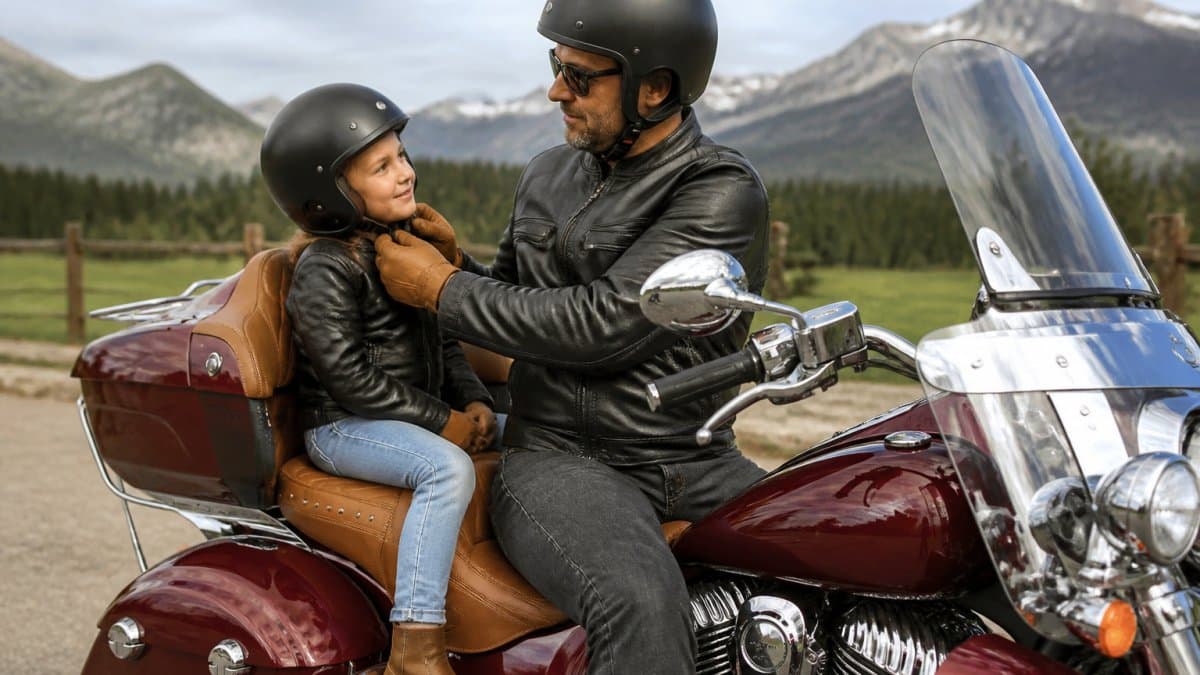
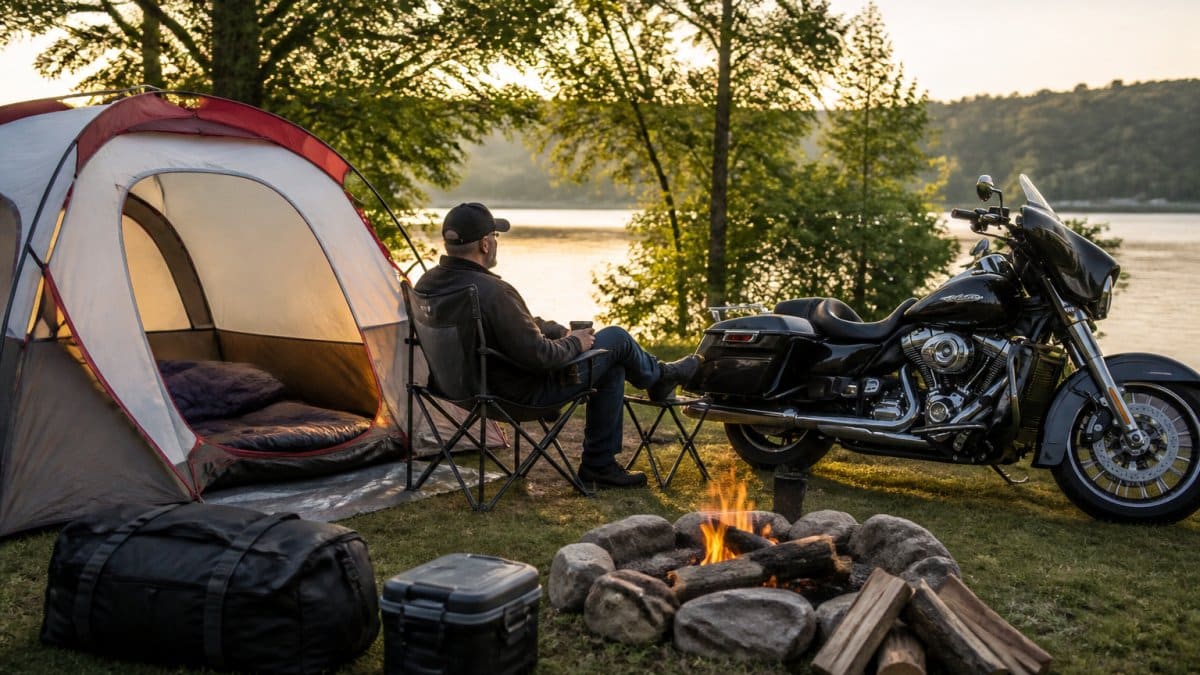
Bring your valid motorcycle license, helmet, protective gear (jacket, gloves, boots), and weather-appropriate clothing. Pack water, snacks, and any medications you need. Bring cash or a card for registration fees, fuel, and vendor purchases. A phone for navigation and emergency contact is essential. If the ride includes camping or overnight activities, bring lodging essentials. Always check the specific event’s requirements before departing.
How can I organize a successful motorcycle charity event?
Start by selecting a charitable cause and setting a fundraising goal. Assemble a planning team and establish a ride route with clear landmarks and rest stops. Secure insurance and liability coverage, and obtain necessary permits from local authorities. Promote the event through motorcycle clubs, social media, and community networks. Plan fundraising activities like registration fees, raffles, and vendor booths. Brief all riders on safety procedures and route details before departure. Track donations and report results to participants and the charity.
What are the benefits of participating in a charity motorcycle ride?
Charity rides connect you with fellow motorcycle enthusiasts and strengthen community bonds. They support meaningful causes ranging from veteran services to medical research and animal rescues. Riders enjoy scenic group rides through beautiful landscapes while contributing to charitable work. Many events feature live entertainment, vendor markets, and social activities beyond the ride itself. Participation allows you to be part of a larger movement where your passion for riding directly benefits those in need.

0 Comments