
Table of Contents
- Assess Your Child’s Physical Readiness to Ride
- Choose the Right Motorcycle Safety Tips for Kids
- Select Proper Motorcycle Riding Gear for Kids
- Set Up Your Motorcycle for Child Passenger Comfort
- Plan Your Family Motorcycle Trip Packing List
- Schedule Motorcycle Ride Breaks With Children
- Manage Weather and Fatigue on Longer Rides
- Build Confidence and Communication
- Frequently Asked Questions
Last Updated: October 21, 2026
Assess Your Child’s Physical Readiness to Ride
Before your child gets on a motorcycle, learn how to keep kids comfortable on motorcycles by assessing physical readiness: size, strength, and maturity, not just age.
The basic readiness checklist includes:
- Can your child sit on a chair with feet flat on the ground?
- Do they have the arm and leg strength to hold on during a 10-minute ride?
- Can they follow simple safety instructions without arguing?
- Are they tall enough that their feet reach the footrests?
Most kids aged 8 to 12 can ride as passengers if they meet these criteria.
Start with a 5- to 10-minute test ride on familiar roads. Watch how your child sits, whether they panic, and if they can communicate with you.
Never force a reluctant child onto a motorcycle. Fear and pressure create bad habits and dangerous situations. If they’re not ready, wait and try again in a few months.
Choose the Right Motorcycle Safety Tips for Kids
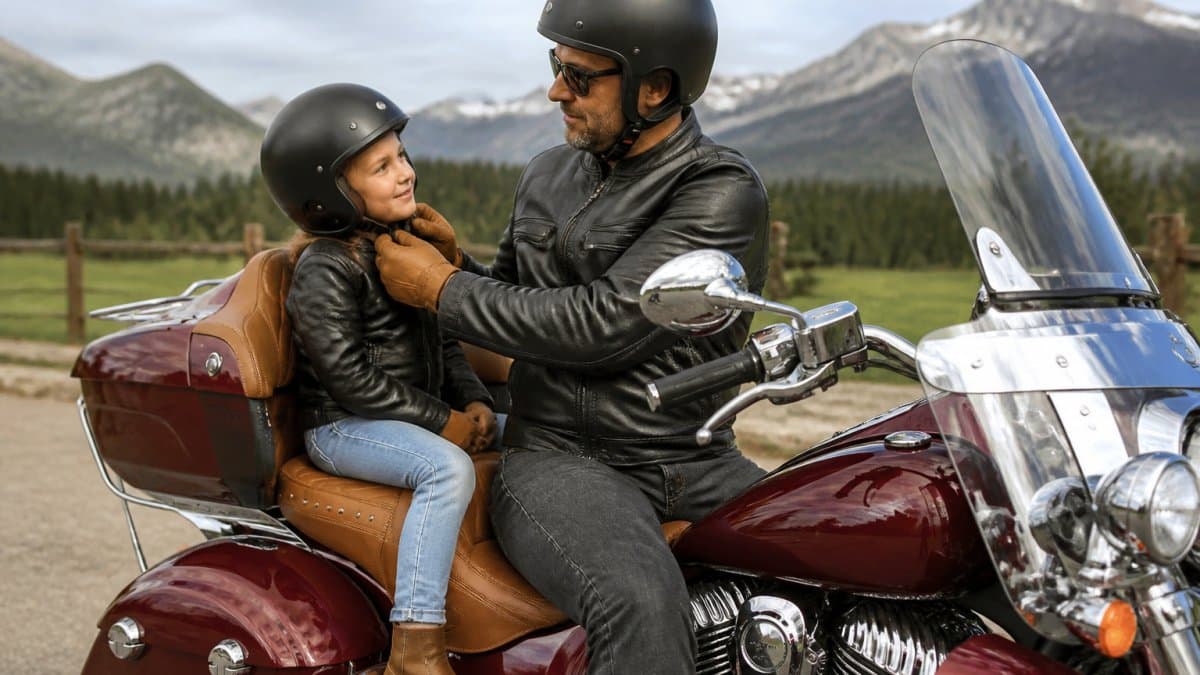
Motorcycle safety tips for kids start with one rule: protective gear is non-negotiable, every single time.
Your child needs the same protection you do. They’re lighter and more fragile, which means crashes hurt them more. A helmet isn’t optional, it’s the difference between a minor injury and a life-altering one.
Safety also means choosing the right motorcycle: a lighter bike is easier to balance with a passenger, a low seat helps a child sit securely, and forward controls (foot pegs positioned ahead) work better for child passengers than mid-controls.
Before every ride, run through this pre-ride safety check:
- Helmet fits snugly with the chin strap fastened
- All gear is in place, no bare skin
- Footrests are clean and not slippery
- Grab handles are secure and within reach
Teach your child to tap your shoulder twice if they need to stop. This is your emergency signal. Practice it at home so they understand what it means when you’re moving.
Select Proper Motorcycle Riding Gear for Kids
Motorcycle riding gear for kids is about protection, not looks. Kids overheat and get cold faster than adults, so the right gear keeps them comfortable while protecting them. Fit is critical: adult gear scaled down does not protect a child, so run a repeatable fit check before each ride. Breathable materials are essential for hot weather riding gear, ensuring that moisture management remains effective even when the temperature climbs during long days on the track.
Helmet Fit and Chin Bar Protection
A helmet is the single most critical piece of gear. Too large and it can rotate on impact and expose the head; too small and pressure points make kids fidget and try to remove it.
Run this fit check every time:
- Coverage: The helmet should sit level, with the front edge just above the eyebrows and the back covering the base of the skull. A helmet tipped back exposes the forehead.
- Snugness: With the chin strap fastened, grab the helmet with both hands and try to roll it forward and backward. The skin on the forehead and cheeks should move with the helmet. If the helmet slides independently, it is too loose.
- Cheek pressure: The cheek pads should press firmly against the cheeks without pinching. Kids often outgrow cheek pads before the shell, so check pad replacement options.
- Chin strap: You should be able to fit no more than one finger under the fastened strap. A loose strap lets the helmet lift in wind.
Look for a helmet with:
- A DOT certification (the federal minimum for road use) and, where available, a Snell rating for added confidence
- A full-face design with a chin bar, which protects the jaw and face better than open-face or half helmets
- Good ventilation to prevent overheating
- Replaceable cheek pads and liners so the fit can be adjusted as your child grows
- A visor or goggles to reduce glare and wind noise
Let your child pick the color or design; they’re more likely to wear a helmet they like, and a bright color makes them more visible to other drivers.
Gloves, Boots, and Heavy Clothing
Hands and feet take the most damage in a crash. Look for gloves with reinforced palms and wrist support that fit snugly without restricting movement.
Boots matter as much as gloves; sneakers offer zero protection.
Heavy clothing means leather or textile jackets rated for motorcycle use; a hoodie won’t stop asphalt.
Your child will be hot in all this gear, but discomfort beats injury.
Do a five-minute gear check in the driveway before every ride: helmet roll test, glove fist test, boot heel test, and a reach test for the jacket. It catches loose straps and shifted armor before you’re moving.
Set Up Your Motorcycle for Child Passenger Comfort
A motorcycle not set up for a child passenger creates constant discomfort and safety problems. Small changes make a huge difference.
Footrests and Grab Handles
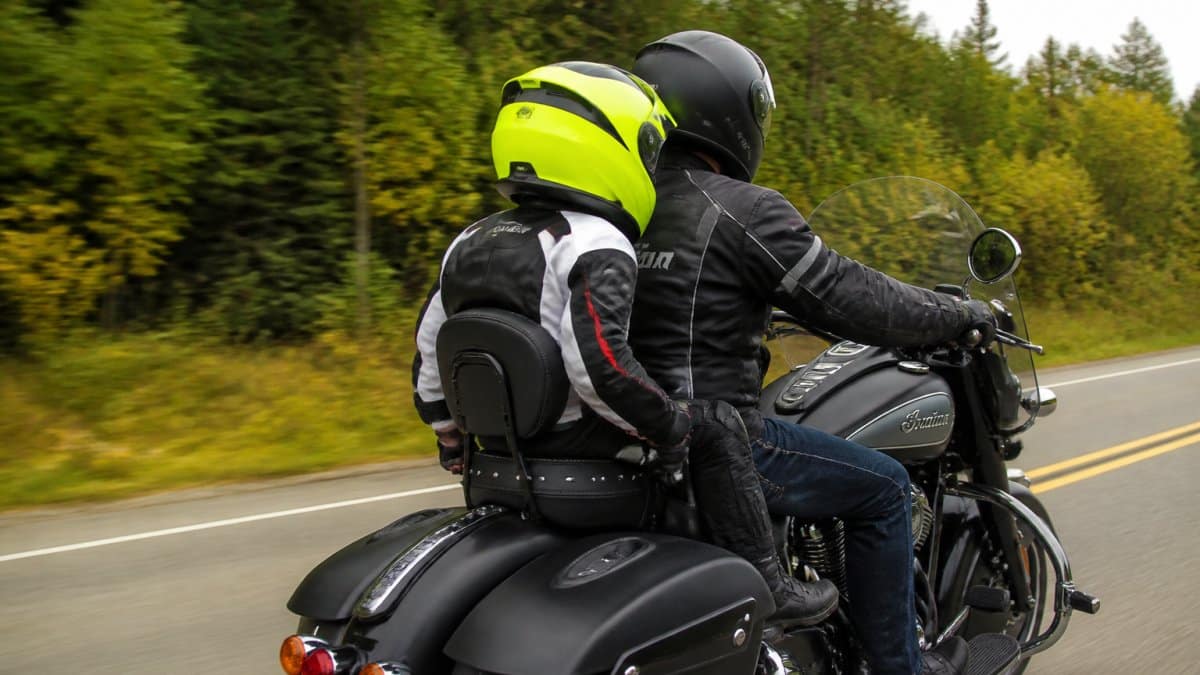
Footrests must be positioned so your child’s legs are slightly bent when seated; dangling legs tire quickly and create balance problems.
Grab handles are your child’s lifeline: within comfortable reach and strong enough to support their weight.
Keep footrests and grab handles clean and not slippery; oil, dust, or moisture makes them dangerous, so wipe them down before every ride.
Passenger Seat and Harness Options
The passenger seat should be comfortable and secure: too soft and your child slides around, too hard and they’ll be miserable after 15 minutes. A seat pad can help, but the seat itself matters most.
Some riders use harnesses, which wrap around the child’s torso and connect to the bike frame to prevent sliding.
For most kids, grab handles are enough. They provide security without restriction.
Plan Your Family Motorcycle Trip Packing List
A family motorcycle trip packing list for kids needs to cover gear, comfort, and emergencies.
Pack these essentials:
- Extra helmet liner pads (sweat gets them damp)
- Sunscreen and lip balm with SPF
- A light jacket or rain gear (weather changes fast)
- Snacks and a water bottle (dehydration sneaks up)
- A first aid kit with bandages and pain relief
Keep the pack small and light; a backpack or small saddlebag works better than luggage that throws off the bike’s balance.
Bring entertainment for stops; a book or tablet keeps kids happy during breaks, and boredom leads to dangerous fidgeting on the bike.
Schedule Motorcycle Ride Breaks With Children
Long rides exhaust children faster than adults. A child can comfortably ride 30 to 45 minutes before fatigue sets in and attention wanders.
Plan your route with breaks in mind. Stop every 45 minutes at minimum. Use breaks to:
- Let your child stretch and move around
- Check that gear is still in place
- Offer water and a snack
- Ask how they’re feeling
- Adjust anything that’s uncomfortable
Short rides build confidence: start with 20-minute rides and gradually increase duration. Watch for signs your child has had enough, like constant shifting, losing grip strength, or asking to stop.
Never push a tired child to keep going. Fatigue causes mistakes, and mistakes cause accidents.
A child who’s rested and happy is a safe child. Breaks aren’t wasted time, they’re safety investments.
Manage Weather and Fatigue on Longer Rides
Weather changes how your child experiences the ride; heat, cold, rain, and wind all affect comfort and safety. The useful approach is a layering system, a hydration plan, and clear stop triggers agreed on before the ride.
Heat Management
Kids overheat in full protective gear because they have less body mass and a higher surface-area-to-weight ratio than adults.
Watch for heat exhaustion signs: excessive sweating, confusion, dizziness, headache, or unusual crankiness.
Ventilation matters: open helmet vents, choose a mesh-panel jacket for hot days, avoid dark colors that absorb heat, and try a damp neck gaiter or light-colored long-sleeve base layer.
Cold Management
Cold stiffens muscles and makes gripping difficult, so on cool days add a thermal layer, keep rides shorter, and use a thin glove liner under motorcycle gloves; thicker gloves bunch and reduce feel.
Layer in this order: a moisture-wicking base layer, an insulating mid layer, then the motorcycle jacket. Add a neck warmer and a balaclava under the helmet if it fits without pushing the helmet up.
Rain and Wind
Rain reduces visibility and makes roads slippery, and wind pushes lighter bikes around. On rainy days, reduce speed, increase following distance, and cut the ride short if your child is tense.
Wind is the most underrated comfort problem: at highway speed a child takes buffeting even with a windshield. A snug helmet, a jacket that closes at the neck, and a stop to reposition help; if you’re correcting constantly, shorten the ride.
Fatigue and Stop Triggers
Fatigue compounds all these issues; a tired child in cold, windy weather is a recipe for problems, so plan rides to avoid these combinations.
Agree on stop triggers before the ride so your child does not have to decide whether they are “allowed” to ask:
- Any complaint of being too hot, too cold, dizzy, or in pain
- Two shoulder taps (your agreed stop signal)
- Constant shifting, losing grip strength, or slumping against you
- Shivering, which is an early sign of cold stress
- Any gear that has come loose or shifted
When a trigger fires, stop at the next safe place. Do not negotiate at speed. A short unplanned stop costs minutes; pushing through costs far more.
Weather comfort is a system, not a slogan: layer for cold, ventilate and hydrate for heat, shorten the ride in rain and wind, and agree on stop triggers before you leave.
Build Confidence and Communication
The best way how to keep kids comfortable on motorcycles is to build their confidence.
Develop hand signals for communication.
After each ride, ask what your child liked and what made them nervous. Listen without judgment. Adjust future rides based on their feedback.
When your child is ready to ride as a passenger at Spirit of Indian events, they’ll have the confidence and skills to enjoy the experience.
Frequently Asked Questions
How do you know if a child is ready to ride as a motorcycle passenger?
A child is generally ready when they can sit upright without support, reach the footrests with their feet, and hold onto the grab handles or rider. Most children between ages 8 and 12 can meet these physical requirements, though maturity and comfort level matter equally. Start with short practice rides in familiar, low-traffic areas. Watch for signs of anxiety or fatigue. If your child seems nervous or uncomfortable after a few rides, give them more time before attempting longer trips.
What should a child wear for a motorcycle ride?
A child needs a properly fitted DOT-approved helmet with a secure chin bar, leather gloves, heavy protective clothing (jacket and pants), and sturdy boots that cover the ankles. Avoid loose clothing that could catch on the bike. Wear long sleeves and pants even in warm weather for abrasion protection. Consider weather-appropriate layers: thermal base layers for cold rides, moisture-wicking shirts for warm weather. Sunscreen and sunglasses under the helmet also help with comfort on longer rides.
How often should you stop when riding a motorcycle with kids?
Plan a break every 30 to 45 minutes for children under 12, and every 60 minutes for older kids. Use stops to stretch, hydrate, and check that gear still fits properly. Watch for signs of fatigue: slouching, reduced grip on handles, or complaints of discomfort. Shorter, frequent breaks keep kids engaged and safe. On family motorcycle trips, build breaks into your route planning so children can rest, eat, and use facilities without feeling rushed.
How can kids stay warm or cool on a motorcycle?
For cold rides, layer thermal base layers under riding gear and consider heated grips or hand warmers. A neck gaiter or balaclava under the helmet helps retain heat. For warm weather, wear light-colored, breathable protective clothing and take frequent breaks in shade. Hydrate consistently before, during, and after rides. Avoid cotton, which traps sweat; choose moisture-wicking fabrics instead. Plan longer rides for cooler parts of the day when possible, and always check weather forecasts before heading out.
Keeping kids comfortable on motorcycles takes planning, the right gear, and realistic expectations about what children can handle. Start small, listen to your child, and never skip safety. The reward is watching your child discover the joy of riding alongside you.

0 Comments